YPF in a Box
What is the YPF in a box toolkit?
YPF in a box contains helpful resources and information from our network of other young foundations and partners to support you and support developing YPFs.
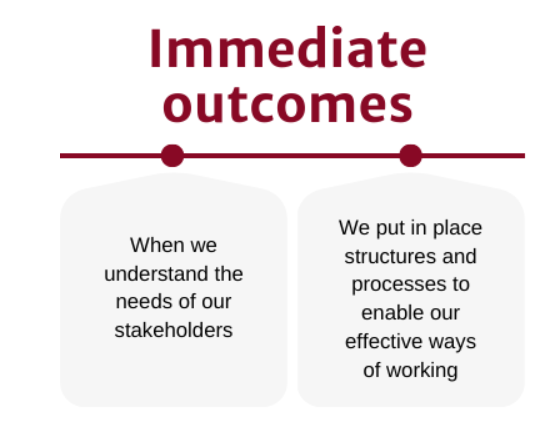
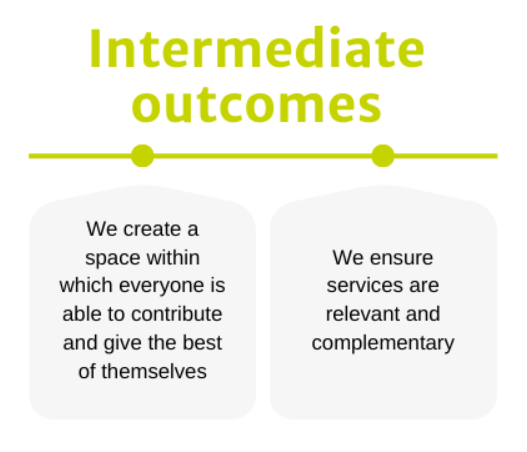
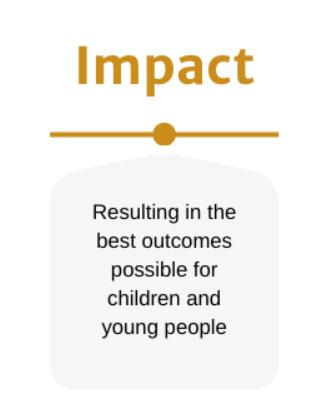
It will inform a comprehensive road map for your YPF to achieve those quality standards more efficiently than if you were to embark on that journey by yourself. Each area listed contributes to a core outcome within our Theory of Change and you will find examples from across the Network of how YPFs are operating.
Resources are being added all the time, so do come back and check these pages regularly.
Our theory of change
Building Your Foundation
Being needs-led and ensuring that children and young people’s choices, views, ambitions and needs are embedded in the fabric of the YPF and how it operates is fundamental.
It is the responsibility of all YPFs to develop a comprehensive understanding of the needs of the area’s children and young people and to provide opportunities for them to engage meaningfully in how the YPFs are run. In this way, YPFs can be confident of an approach that genuinely improves outcomes.
During the start-up phase
During their first year of operation, some YPFs are fortunate to operate in an area where a comprehensive needs assessment for children and young people has already taken place. If not, this is considered by the network to be a priority in order to understand thematically what the key issues are for the children and young people. Even in instances where a needs assessment has been carried out, YPFs have chosen to conduct one further down the line so that they are confidence that the views of the sector have been appropriately reflected.
However, YPFs have warned against attempting to try to achieve a large-scale needs assessment within their first two years of operation as they think it’s more important to do this in partnership and with the buy in of key stakeholders including the council and local partners. As an example, Camden YPF worked with their council to consult in the region of 300 young people prior to the launch of their membership.
Once your YPF is more established
Many YPFs theme their support in key areas, e.g. mental health, employment, youth violence, etc. Getting a sense of the current state or “baseline” is important so that borough progress can be measured, and YPFs can get a sense of overall impact that they have had in this area. It is important that YPFs do not overstate their impact. Therefore, quantitative as well as qualitative research is advised, and more is said about this in the section on Understanding and Evidencing Outcomes.
Youth Voice
Young people shape and influence the work of many YPFs through initiatives such as Youth MPs, peer advocates, ambassadors, apprenticeships, peer research, grant assessment and board representation. Where youth voice structures do not exist, YPFs often help establish them and, in some cases, secure funding to support dedicated projects.
Across the network, YPFs are committed to ensuring youth engagement is meaningful, giving young people the skills, opportunities and influence needed to contribute to decision-making and shape local practice.
While YPFs do not directly deliver youth services, many provide online directories, newsletters and information hubs that help young people and families access local opportunities and support.
Many YPFs also host annual Youth Achievement Awards, celebrating the achievements and contributions of young people and challenging negative stereotypes. These events are often delivered in partnership with local councils and complement wider efforts to champion young people’s voices and successes.
YPFs also consult extensively with other stakeholders to understand their perspectives on the needs of children and young people. This is done differently by different YPFs and ranges from informal conversation, networking days, themed forum events and more formal consultation, examples of which are provided here:
Ensuring that young people’s voices are represented in how YPFs operate is important. YPFs are clear that where provision for Youth Voice already exists, they should tap into, complement and support it as appropriate. This is a sensitive area as YPFs do not conduct direct delivery with children and young people, but may directly engage, for example, peer youth workers to conduct research on their behalf and provide training to support them to be effective in this role. All YPFs are encouraged to consider how they implement Youth Voice bearing in mind the requirement not to provide direct delivery.
Building strong relationships with members is at the heart of the YPF model. YPFs invest time in understanding the needs, challenges and opportunities facing local organisations so they can provide relevant support, represent the sector effectively and help maximise outcomes for children and young people.
During the early stages of development, YPFs focus on building visibility, establishing trust and developing relationships across the voluntary, community, faith and social enterprise sector. A key aspect of this is communicating the YPF’s role as a collaborative partner that supports, rather than competes with, local organisations.
Membership models are typically designed to be inclusive and accessible. Most YPFs require only that organisations are working with children and young people in the local area, with additional due diligence undertaken where organisations apply for funding or participate in partnership programmes.
YPFs play an important convening role, bringing organisations together around shared priorities, facilitating collaboration, identifying gaps in provision and amplifying the collective voice of the sector. Regular engagement with members helps YPFs understand emerging needs and shape their support accordingly.
Many YPFs maintain membership processes that include induction, regular engagement, annual reviews or renewal processes, and opportunities for members to provide feedback. Annual member surveys are commonly used to assess satisfaction, measure impact and ensure the YPF continues to meet the needs of its membership.
To support relationship management and impact reporting, YPFs use customer relationship management (CRM) systems and other tools to track engagement, monitor organisational development and demonstrate the value created for members and the wider sector.
Strong relationships with strategic partners, funders and stakeholders are essential to the success of a YPF. By working collaboratively across the local system, YPFs help ensure that resources, investment and expertise are aligned to improve outcomes for children and young people.
From the outset, YPFs should identify and engage key stakeholders, establish clear communications and build trusted relationships. These typically include local authorities, voluntary sector infrastructure organisations, funders, businesses, schools, health partners and other organisations with an interest in supporting children and young people.
Local Authorities
Effective partnerships with local authorities are built on both strategic and operational engagement. Strong relationships enable YPFs to contribute to local priorities, represent the voice of the sector and identify opportunities for collaboration and investment. While close partnership working is important, YPFs also recognise the need to maintain their independence in order to retain the trust of their members and act in the best interests of the wider sector.
Infrastructure and Community Partners
Relationships with local infrastructure organisations, networks and voluntary sector support bodies can strengthen collaboration, reduce duplication and create opportunities for joint initiatives and funding bids. A coordinated local ecosystem helps maximise impact and provides funders with confidence that organisations are working together effectively.
Businesses and Funders
Businesses and funders can play an important role through financial support, sponsorship, volunteering, pro bono expertise and access to networks. Building these relationships takes time and should be approached strategically, with clear consideration given to any ethical fundraising principles and organisational values.
Stakeholder Engagement
Many YPFs undertake stakeholder mapping and engagement planning to identify key relationships, understand local priorities and ensure their work remains relevant and responsive. Clear messaging about the role, purpose and impact of the YPF is essential in building awareness, trust and engagement across the community.
Launch and Profile Building
Launching a YPF provides an important opportunity to raise awareness, build relationships and establish credibility. Whether through a formal launch event, stakeholder gathering or the publication of a local needs assessment or strategy, YPFs use these opportunities to bring partners together around a shared commitment to improving outcomes for children and young people.
Effective data management supports consistency, transparency and operational efficiency. YPFs should implement systems and processes that enable staff to access information securely, collaborate effectively and maintain accurate records.
During the Start-Up Phase
YPFs are encouraged to establish cloud-based document management systems from the outset, such as Microsoft 365, SharePoint, OneDrive or Google Workspace. Clear folder structures, user permissions and information management procedures help ensure information is organised, accessible and appropriately protected.
Most YPFs organise information into key areas such as Operations, Finance, Governance and Human Resources, with access permissions based on staff responsibilities. Policies relating to confidentiality, data protection and information security should be established early and reinforced through staff induction and training.
Customer Relationship Management (CRM) systems are also valuable during the start-up phase. Many YPFs use CRM platforms to manage stakeholder information, record engagement activity, track support provided to members and monitor organisational impact over time.
Operational Systems and Digital Tools
As organisations develop, additional digital tools can support communication, collaboration, project management and workflow automation. Selecting systems that integrate effectively and can scale with organisational growth helps improve efficiency and reduce administrative burden.
Data Protection and GDPR
YPFs must ensure they comply with UK GDPR and data protection legislation when collecting, storing and processing personal information. This includes maintaining appropriate privacy notices, obtaining and recording consent where required, implementing secure data storage arrangements and regularly reviewing the data held.
Good practice includes providing staff with data protection training, maintaining clear policies and procedures, regularly reviewing and cleaning data, and ensuring that only authorised individuals have access to sensitive information.
Strong data governance not only supports compliance but also builds trust with members, partners, funders and stakeholders, ensuring that information is managed responsibly and securely.
Effective financial management systems are essential for maintaining financial stability, supporting informed decision-making and ensuring compliance with charity and regulatory requirements. Strong financial controls also provide assurance to trustees, funders and stakeholders that resources are being managed responsibly.
During the Start-Up Phase
YPFs should establish financial systems and processes as early as possible, including accounting software, banking arrangements and financial reporting procedures. Whether financial management is delivered by in-house staff or outsourced specialists, it is important that there is clear oversight of income, expenditure, cash flow and financial performance.
Appropriate financial policies and controls should be implemented from the outset, covering areas such as expenditure approval, delegated authority, expenses, reserves, procurement and financial reporting. These processes ensure accountability, reduce risk and support effective governance.
It is considered good practice to maintain separate arrangements for operational funds and organisational reserves, with appropriate authorisation procedures in place for payments and financial transactions. Financial records should be securely maintained and accessible to authorised staff and trustees.
Budgets should be developed annually and reviewed regularly, with clear reporting against performance. Financial information presented to trustees should provide an accurate overview of the organisation’s financial position, key risks and any significant variances from budget.
As the Organisation Grows
As financial activity becomes more complex, many YPFs establish a Finance Committee or Finance and Resources Committee to provide additional oversight and scrutiny. These groups typically support the Board by reviewing budgets, monitoring financial performance, assessing risks and ensuring appropriate financial controls remain in place.
Having access to financial expertise at Board level can be particularly valuable, helping trustees to provide effective challenge, oversight and strategic guidance on financial matters.
Regular financial monitoring, internal reviews and periodic checks of financial procedures help ensure compliance with policies, identify areas for improvement and maintain confidence in the organisation’s financial management arrangements.
Strong financial governance enables YPFs to remain sustainable, resilient and well positioned to deliver their mission and support the wider sector.
Securing a diverse and sustainable income base is essential to the long-term success of a YPF. Alongside core funding, YPFs should seek to generate a mix of unrestricted and restricted income to support their own operations and create investment opportunities for local organisations working with children and young people.
During the Start-Up Phase
In the first year, YPFs are encouraged to focus on achieving the financial objectives set out within their business plan rather than developing a complex fundraising strategy. This period should be used to build relationships with funders, understand the local and national funding landscape, and identify future income opportunities.
A key objective during this phase is to establish strong financial foundations, including building organisational reserves and reducing reliance on any single source of income.
Developing a Sustainable Funding Approach
As the organisation matures, fundraising should become embedded within the wider organisational strategy. Many YPFs develop a funding plan that considers a range of income streams, including grants, contracts, corporate partnerships, philanthropy, donations, sponsorship and earned income opportunities.
A diversified funding approach helps strengthen financial resilience and supports longer-term sustainability. Regular monitoring of funding pipelines, applications and funding opportunities enables YPFs to track progress against income targets and identify potential risks or gaps in future funding.
Governance and Oversight
Responsibility for fundraising should be supported by appropriate governance arrangements. This may include oversight from the Board, Finance Committee or a dedicated fundraising group. Regular review of fundraising performance ensures that income generation activities remain aligned with organisational priorities and financial objectives.
Fundraising Activities and Partnerships
Many YPFs supplement grant funding through events, corporate engagement and partnership initiatives. When considering fundraising activities, it is important to assess both the financial return and the staff time required to deliver them, ensuring that activities provide genuine value and contribute to wider relationship-building and profile-raising objectives.
A planned, diversified and well-governed approach to fundraising helps YPFs build resilience, strengthen sustainability and maximise investment into services and opportunities for children and young people.
A unique feature of the Young People’s Foundation model is its ability to bring together stakeholders from across sectors who share a commitment to improving outcomes for children and young people. As a result, YPFs communicate with a wide range of audiences, including members, funders, businesses, strategic partners, local authorities and young people themselves. Effective communication ensures that each audience understands the role, value and impact of the YPF.
During the Start-Up Phase
Establishing a clear and consistent brand is an important priority during the first year of operation. Most YPFs develop a visual identity, launch a website and create core communications materials that explain their purpose, values and offer.
Early communications activity is typically focused on building awareness, establishing credibility and developing relationships within the local area. Simple, accessible materials that explain the YPF model, membership benefits and local needs can help support engagement with key stakeholders.
Communicating the Role of the YPF
Given the wide range of audiences that YPFs engage with, it is important to develop clear messaging that explains:
- The purpose and role of the YPF.
- The benefits of membership and partnership.
- The needs and priorities of children and young people in the local area.
- The impact being achieved through collaborative working.
- Opportunities for stakeholders to get involved and contribute.
Many YPFs use annual reports, newsletters, websites, presentations and stakeholder briefings to communicate their work, demonstrate impact and build support for their mission.
Membership, Partnership and Stakeholder Engagement
Communications materials should be tailored to the needs of different audiences. Members may require information about support, opportunities and benefits, while businesses and funders may be more interested in impact, investment opportunities and partnership outcomes.
Clear, audience-focused communications help strengthen relationships, encourage participation and ensure stakeholders understand how they can contribute to improving outcomes for children and young people.
As the Organisation Grows
As YPFs become more established, many develop a formal Marketing and Communications Strategy. This often includes:
- Key messages and organisational positioning.
- Audience segmentation and stakeholder engagement plans.
- Brand guidelines and visual identity.
- Website, newsletter and social media activity.
- Campaigns, events and public affairs activity.
- Communication objectives and performance measures.
Over time, communications activity often evolves from raising awareness within the local area to promoting impact, influencing partners, attracting investment and strengthening the YPF’s profile across a wider network of stakeholders.
Brand, Messaging and Impact
A strong and consistent brand helps build recognition, trust and credibility. Many YPFs invest time in defining their brand positioning, values and key messages to ensure communications remain consistent across all channels.
Effective marketing and communications should demonstrate the value of the YPF model, showcase the impact of collective action and inspire stakeholders to work together in support of children and young people.
Explaining the role of the YPFs
Click on the links below to see the different one-pagers:
Effective governance is fundamental to the success, sustainability and accountability of a Young People’s Foundation. Strong governance ensures that the organisation complies with its legal and regulatory responsibilities, manages risk effectively, safeguards its stakeholders, and remains focused on its mission and values.
Establishing the right governance structures, policies and leadership from the outset creates a strong foundation for growth and helps build confidence among members, funders, partners and the wider community.
Legal Structure
YPFs should adopt a legal structure that is appropriate to their objectives, governance requirements and future ambitions. Whatever structure is chosen, it should provide clear accountability, effective oversight and public transparency while supporting the organisation’s long-term sustainability.
During the Start-Up Phase
Trustees and Board Development
Recruiting a committed, skilled and diverse Board is one of the most important steps in establishing a YPF. Trustees should bring a broad range of expertise, perspectives and local knowledge, while acting in the best interests of the organisation as a whole.
Boards should include individuals with experience across relevant sectors and disciplines, including finance, governance, fundraising, safeguarding, human resources, voluntary and community services, and strategic leadership.
A thorough induction process should ensure new trustees understand:
- The purpose, vision and values of the YPF.
- Their legal duties and responsibilities as trustees.
- The organisation’s governing document and key policies.
- Strategic priorities, risks and financial position.
- Expectations regarding conduct, conflicts of interest and decision-making.
Strong leadership from the Chair is particularly important. The Chair should provide support, challenge and effective oversight while fostering a positive and inclusive Board culture. It is generally considered good practice for the CEO to report to the Board rather than serve as a trustee.
Skills, Diversity and Succession Planning
Board effectiveness should be reviewed regularly through skills audits, succession planning and recruitment processes. YPFs should seek to ensure that their Boards reflect the diversity of the communities they serve and include a balance of professional expertise, local insight and lived experience.
Policies and Governance Frameworks
A strong governance framework requires clear policies, procedures and delegated authorities. Trustees should regularly review and approve key organisational policies and ensure they remain up to date and aligned with legal and regulatory requirements.
Core policies typically include:
- Safeguarding and welfare
- Equality, diversity and inclusion
- Health and safety
- Financial management and controls
- Data protection and privacy
- Risk management
- Complaints and whistleblowing
- Staff and volunteer policies
- Conflicts of interest
Regular policy reviews help maintain compliance and ensure staff, volunteers and trustees understand their responsibilities.
Supporting Staff and Volunteers
Clear induction processes, staff handbooks, training and access to current policies help ensure that employees and volunteers are confident in carrying out their roles. Many organisations maintain centralised digital systems to ensure policies and governance documents remain accessible and current.
As the Organisation Grows
As YPFs mature, governance arrangements often become more structured. Boards may establish committees or working groups to provide additional oversight in areas such as finance, audit, risk, governance, people and fundraising.
An effective Board should balance strategic leadership with oversight and assurance, enabling the organisation to remain focused on its mission while appropriately managing risk and performance.
Risk Management
Robust risk management is a key responsibility of both trustees and senior leadership. YPFs should maintain a risk register that identifies, assesses and monitors strategic, operational, financial, governance, compliance and reputational risks.
Risk should be reviewed regularly by the Board, with clear ownership of mitigation actions and appropriate mechanisms for reporting significant issues. Effective risk management enables organisations to make informed decisions, strengthen resilience and respond proactively to changing circumstances.
Youth Voice in Governance
YPFs are encouraged to ensure that young people have meaningful opportunities to influence governance and decision-making. This may be achieved through youth advisory groups, ambassador programmes, youth representatives or other mechanisms that enable young people’s perspectives to inform organisational development and strategic direction.
Ultimately, effective governance provides the foundation for a well-led, accountable and sustainable organisation that can build trust, maximise impact and improve outcomes for children and young people.
Further resources to support you
Young Kensington and Chelsea Constitution
Home | Notum Places senior leaders and aspiring senior leaders into trustee roles.
Reach Volunteering | Connecting people, skills and great causes
Keeping children safe in the voluntary and community sector | NSPCC Learning
Growing Your Impact
The success of a YPF depends on having skilled, motivated staff and volunteers who are clear about their roles and equipped to deliver the organisation’s mission. Investing in people, systems and professional development helps create a strong and sustainable organisation.
During the Start-Up Phase
Most YPFs begin by appointing a CEO who can establish the organisation, build relationships and raise its profile. Additional roles are then introduced as the organisation grows, often focusing on administration, membership development, fundraising or project delivery.
Recruitment should be values-led, with a focus on collaboration, relationship-building and a commitment to improving outcomes for children and young people. Many YPFs find it beneficial to grow their teams gradually, recruiting according to organisational needs and available resources rather than predefined structures.
Clear job descriptions, reporting arrangements and organisational structures help ensure staff understand their responsibilities and contribute effectively to organisational objectives.
As the Organisation Grows
As YPFs become more established, teams often expand to include functions such as:
- Membership and sector development
- Fundraising and income generation
- Communications and marketing
- Grants management
- Programme and project delivery
- Impact measurement and evaluation
- Administration and operations
There is no single staffing model for a YPF. Structures should reflect local priorities, organisational strategy and the skills of the individuals within the team.
Contractors and Specialist Support
Many YPFs use external contractors or consultants to provide specialist expertise in areas such as finance, HR, IT, recruitment and legal compliance. This approach can provide flexibility and access to professional skills without the need for permanent staffing.
Volunteers
Volunteers can make valuable contributions to specific projects and organisational development activities. Many YPFs engage volunteers who bring specialist skills, knowledge or experience that supports the organisation’s work.
Young People’s Involvement
YPFs are encouraged to create opportunities for young people to contribute to the organisation through volunteering, apprenticeships, work experience, governance, grant-making and research activities. Meaningful involvement helps ensure that young people’s perspectives shape the organisation’s work and strengthens its connection to the communities it serves.
Supporting and Developing People
As organisations mature, increased focus should be placed on staff wellbeing, professional development, performance management and workforce planning. Investing in people helps build organisational resilience, strengthen culture and ensure the YPF remains well-positioned to achieve its long-term objectives.
A strong organisational culture helps ensure that the work of the YPF is guided by clear values, shared behaviours and a commitment to collaboration. Values should shape decision-making, recruitment, partnerships and how the organisation supports its members and stakeholders.
Establishing Your Culture
From the outset, YPFs should consider how the core principles of the network, including collaboration, inclusivity, diversity, grassroots engagement, long-term thinking and non-delivery, are reflected in day-to-day operations and strategic decisions.
Clearly defined values help establish organisational identity, build trust with stakeholders and create a consistent approach to working across sectors. They also provide a framework for recruitment, performance management and organisational development.
Developing a Values-Led Organisation
Many YPFs involve staff, trustees, members and stakeholders in defining the values that will guide their organisation. Embedding these values into strategy, policies and behaviours helps ensure they become part of the organisation’s culture rather than simply statements on a website.
Regular reflection and feedback can help assess whether organisational values are being demonstrated in practice and identify areas for improvement.
Equity, Inclusion and Cultural Competence
YPFs should be committed to creating inclusive environments where diverse perspectives are valued and barriers to participation are actively addressed. This includes considering equity, diversity, inclusion and cultural competence across governance, leadership, policies, communications and organisational practice.
Boards and leadership teams should regularly review progress in these areas and ensure they remain a priority as the organisation develops.
Living Your Values
A strong culture is built through consistent actions, behaviours and decision-making. When values are embedded throughout the organisation, they strengthen relationships, support effective partnership working and help ensure that the YPF remains focused on achieving the best outcomes for children and young people.
Further resources to support you:
Young People’s Foundations exist to strengthen the organisations that support children and young people, rather than deliver services directly themselves. A core principle of the YPF model is to add value to existing provision, helping members become more effective, sustainable and connected.
Understanding Local Need
To provide meaningful support, YPFs need a strong understanding of local needs, service provision, stakeholder priorities and gaps in support. During the early stages of development, significant time should be invested in building relationships with members and partners, understanding the local landscape and identifying opportunities where the YPF can make the greatest contribution.
This insight helps shape the services, opportunities and support offered to members and ensures resources are directed where they are most needed.
Identifying Support Needs
YPFs use a range of approaches to understand the needs of their members, including conversations, surveys, reviews, organisational assessments and engagement activities. These help identify strengths, challenges and development priorities across the sector.
Regular engagement enables YPFs to tailor support, monitor progress and respond to changing needs over time.
Supporting Members
Support provided by YPFs varies according to local priorities and organisational capacity but commonly includes:
- Capacity building and organisational development.
- Funding and fundraising support.
- Small grants programmes.
- Training and skills development.
- Networking and partnership opportunities.
- Access to resources, facilities and specialist expertise.
- Strategic planning and governance support.
- Signposting to relevant programmes, funding and external opportunities.
Many YPFs also convene forums, networks and themed events that bring organisations together around shared priorities and challenges.
Evolving Sector Needs
The support required by members will change over time. YPFs should regularly review emerging issues and adapt their offer accordingly. Common areas of demand include governance, financial sustainability, fundraising, impact measurement, digital systems, leadership development, equality, diversity and inclusion, and organisational resilience.
By strengthening individual organisations and fostering collaboration across the sector, YPFs help create a stronger local ecosystem that can better support children and young people.
Further resources to support you:
3.-Member-Progress-Tracker-Spreadsheet-template2.xlsx
2.-Young-Harrow-Foundation-Annual-Members-and-Partners-questionnaire
Member needs assessment
Young Ealing Foundations Trustee matching event
Grant making is a core part of many YPFs’ offers to members. Effective grant programmes are built on transparent, fair and objective processes that ensure funding is directed where it can achieve the greatest impact for children and young people.
Strong grant management processes should include clear eligibility criteria, robust assessment methods, appropriate due diligence and effective management of conflicts of interest. Wherever possible, YPFs are encouraged to involve young people in funding decisions and to ensure that grant-making remains accessible and proportionate for applicants.
During the start-up phase
Many YPFs aim to deliver a grant programme within their first year as a practical way of supporting local organisations and demonstrating early impact. Starting with a simple application process, clear guidance and an independent assessment panel can help establish confidence in the programme.
As funding programmes develop, YPFs should seek feedback from applicants and grant recipients to ensure processes remain accessible, transparent and responsive to the needs of the local sector.
Once your YPF is more established
As grant programmes grow, YPFs often introduce more sophisticated systems to manage applications, assessments, monitoring and reporting. Technology and automation can help streamline administration while maintaining appropriate oversight and accountability.
Due diligence processes are generally undertaken before funding is awarded and may include reviewing governance arrangements, policies, insurance, financial information and regulatory compliance. Funding programmes may be open to all members or focused on specific themes, priorities or communities identified through local needs analysis.
Grant assessment panels typically include a combination of staff, trustees, independent stakeholders and, where appropriate, young people.
Participatory grant making
Many YPFs actively involve young people in funding decisions. Participatory grant making can provide valuable insight into the needs and priorities of young people while helping to build their skills, confidence and understanding of charitable funding processes.
To support meaningful participation, young people should receive appropriate training, guidance and support throughout the assessment and decision-making process.
Fund specific management information
As grant programmes mature, YPFs often develop tailored application processes, guidance documents, monitoring frameworks and reporting requirements that reflect the objectives of individual funds and the needs of their funders.
The resources below provide examples of fund management documentation used across the network.
Key information that our YPFs are using to support their grant-giving function
The following resources include examples of grant-making policies, assessment processes, terms and conditions, application guidance, monitoring requirements and reporting frameworks used by YPFs across the network.
Further resources to support you:
Young Harrow Grants TrackerYoung People’s Foundations do not deliver services directly to children and young people. Instead, they play a strategic role in understanding local provision, identifying gaps, supporting collaboration and strengthening the organisations that deliver services. By bringing stakeholders together and coordinating action, YPFs help create a more accessible, inclusive and effective local support system for children and young people.
During the start-up phase
In the early stages of development, YPFs should focus on building relationships with providers, members and key stakeholders to develop a clear understanding of the local landscape. This includes understanding existing provision, identifying gaps, recognising areas of strength and gaining insight into the needs of children and young people across the area.
Mapping local services and gathering information about underserved communities can help YPFs identify priorities and ensure that future support and investment are targeted where they can have the greatest impact. Particular attention should be given to understanding how well local provision meets the needs of diverse communities and whether any groups face barriers to access.
Developing trust with local organisations is essential. YPFs should clearly communicate their role as a supporting and coordinating organisation that complements, rather than competes with, existing provision.
Once your YPF is more established
As YPFs become more established, they often take on a convening role by bringing organisations together around shared priorities and challenges. This may involve facilitating networks, forums, communities of practice or thematic working groups focused on issues affecting children and young people.
These collaborative spaces help organisations share learning, identify opportunities for partnership working and develop coordinated responses to local needs. Wherever possible, YPFs should encourage shared ownership and leadership of these activities among local partners.
Addressing gaps in provision
YPFs support the sector to respond to identified gaps in provision through a range of approaches, including:
- Influencing local investment and funding priorities.
- Delivering targeted grant programmes.
- Supporting partnership and consortium development.
- Connecting organisations with funders and strategic partners.
- Convening stakeholders around specific issues or communities.
- Promoting collaboration to develop new solutions.
By providing evidence, insight and coordination, YPFs can help direct resources to areas of need and support the development of sustainable local solutions.
Opportunities in the borough
Helping children, young people and families understand what opportunities are available locally is an important part of the YPF role. Many YPFs support the promotion of local services, activities and opportunities through online directories, newsletters, websites and partner networks.
By improving visibility of local provision and making information easier to access, YPFs help connect children and young people to the services and opportunities that can support their development, wellbeing and future aspirations.
Planning for Success
Measuring and demonstrating impact is essential for understanding how a YPF is delivering its mission, supporting members and contributing to improved outcomes for children and young people. Effective monitoring and evaluation help inform decision-making, demonstrate value to stakeholders and identify opportunities for continuous improvement.
As YPFs do not directly deliver services, it is important that reporting accurately reflects their role as a facilitator, connector and catalyst, rather than overstating the impact achieved by member organisations.
During the start-up phase
In the early stages of development, YPFs should work with stakeholders to establish a clear vision, mission, values and strategic objectives. These provide the foundation for understanding what success looks like and how progress will be measured.
Many YPFs begin by identifying key performance indicators (KPIs) aligned to their strategic priorities and by collecting baseline data that can be used to track progress over time. Annual reporting during this phase helps demonstrate achievements, communicate learning and provide accountability to members, funders and stakeholders.
Once your YPF is more established
As organisations grow, monitoring and evaluation frameworks often become more sophisticated. Many YPFs develop a Theory of Change or similar framework to articulate how their activities contribute to stronger organisations, improved sector capacity and better outcomes for children and young people.
By aligning data collection with strategic objectives, YPFs can track progress, measure performance and better understand the difference they are making. This information also supports fundraising, communications, strategic planning and organisational learning.
Many YPFs use dashboards, reporting systems and CRM platforms to collect and analyse data, enabling regular performance monitoring and evidence-based decision-making.
Measuring Organisational Development
Some YPFs monitor changes in the capacity, resilience and effectiveness of their members through organisational assessments, self-assessment tools, development frameworks and progress tracking. Others focus on creating opportunities for peer learning, collaboration and quality improvement rather than formally assessing member performance.
Both approaches can provide valuable insight into how the YPF is contributing to the strength and sustainability of the local sector.
Member Feedback and Learning
Regular engagement with members is an important source of evidence. Many YPFs undertake annual member surveys to understand stakeholder satisfaction, assess performance against organisational values and identify future priorities.
Collecting feedback from members helps ensure that services remain relevant, responsive and impactful.
Evidence Beyond Numbers
While quantitative data is important, qualitative evidence is equally valuable in demonstrating impact. Case studies, testimonials, partnership stories and examples of collaborative working help illustrate the difference a YPF has made and provide context to performance data.
Together, quantitative and qualitative evidence create a more complete picture of the YPF’s contribution to strengthening organisations, improving collaboration and enhancing opportunities for children and young people.
Annual Reporting and Shared Learning
Most YPFs produce an annual impact report that combines performance data, financial information, case studies and key achievements. These reports help communicate impact, celebrate successes and share learning across the network.
Collectively, the use of common indicators and reporting approaches enables YPFs to tell a consistent story about the impact of the model and demonstrate the value of investing in place-based infrastructure for children and young people.
Further resources to support you:
Effective strategy provides a clear direction for the organisation, ensuring that resources, activities and partnerships are aligned to achieving better outcomes for children and young people. A strong strategic planning process helps YPFs remain responsive to local needs while providing a framework for accountability, decision-making and measuring success.
During the start-up phase
In the early stages of development, YPFs should engage widely with members, partners, funders, trustees and other stakeholders to develop their vision, mission, values and strategic priorities. This collaborative approach helps ensure that the organisation is locally informed, sector-led and focused on addressing genuine needs.
Early strategic planning should focus on establishing clear priorities and achievable objectives rather than producing lengthy long-term plans. A simple business plan, supported by defined outcomes, responsibilities and measures of success, is often sufficient during the first year of operation.
Understanding the local environment, sector landscape and needs of stakeholders is critical to ensuring the YPF adds value and occupies a distinct role within the ecosystem.
Once your YPF is more established
As the organisation matures, YPFs typically develop a more comprehensive strategy covering a three to five-year period. These strategies provide a longer-term framework for growth, sustainability and impact.
While approaches vary, most strategies include:
- Vision, mission and values.
- Strategic objectives and priorities.
- Analysis of the local context and operating environment.
- Success measures and performance indicators.
- Delivery plans and accountability arrangements.
- Links to operational and business planning.
Many YPFs also align supporting plans, such as fundraising, communications, workforce development and systems improvement, to their overall strategy to ensure that organisational resources are focused on delivering agreed priorities.
From Strategy to Delivery
A strategy is most effective when it translates into clear actions, measurable outcomes and individual responsibilities. Many YPFs use annual business plans, team plans and performance frameworks to monitor progress and ensure accountability.
Regular review of strategic priorities enables organisations to respond to changes in the local environment while remaining focused on their long-term purpose and mission.
Keeping It Proportionate
Strategic planning should be proportionate to the size and stage of development of the organisation. The most effective strategies are often those that are clear, practical and achievable, providing sufficient direction without creating unnecessary complexity.
Ultimately, strategic planning helps YPFs articulate their purpose, align stakeholders around a shared vision and ensure that resources are used effectively to maximise impact for children, young people and the organisations that support them.
We help local partnerships collaborate more effectively, use evidence to drive decisions, and connect with national opportunities that strengthen the offer for children and young people.
Contact us for inquiries
and partnerships.
Young People Foundation Trust
- LABS Atrium. The Stables Market Chalk Farm Rd NW1 8AH, London, Greater London
- Hello@YPFT.org